Tata
Branding, Strategy, System, Consultancy, Applications
The Poetry of Soil and Science
In 2018, I developed the foundational identity for TATA, a pioneer in compacted earth in Mexico. In 2025, on its tenth anniversary, we revisited the brand to realign its visual language with its evolution.
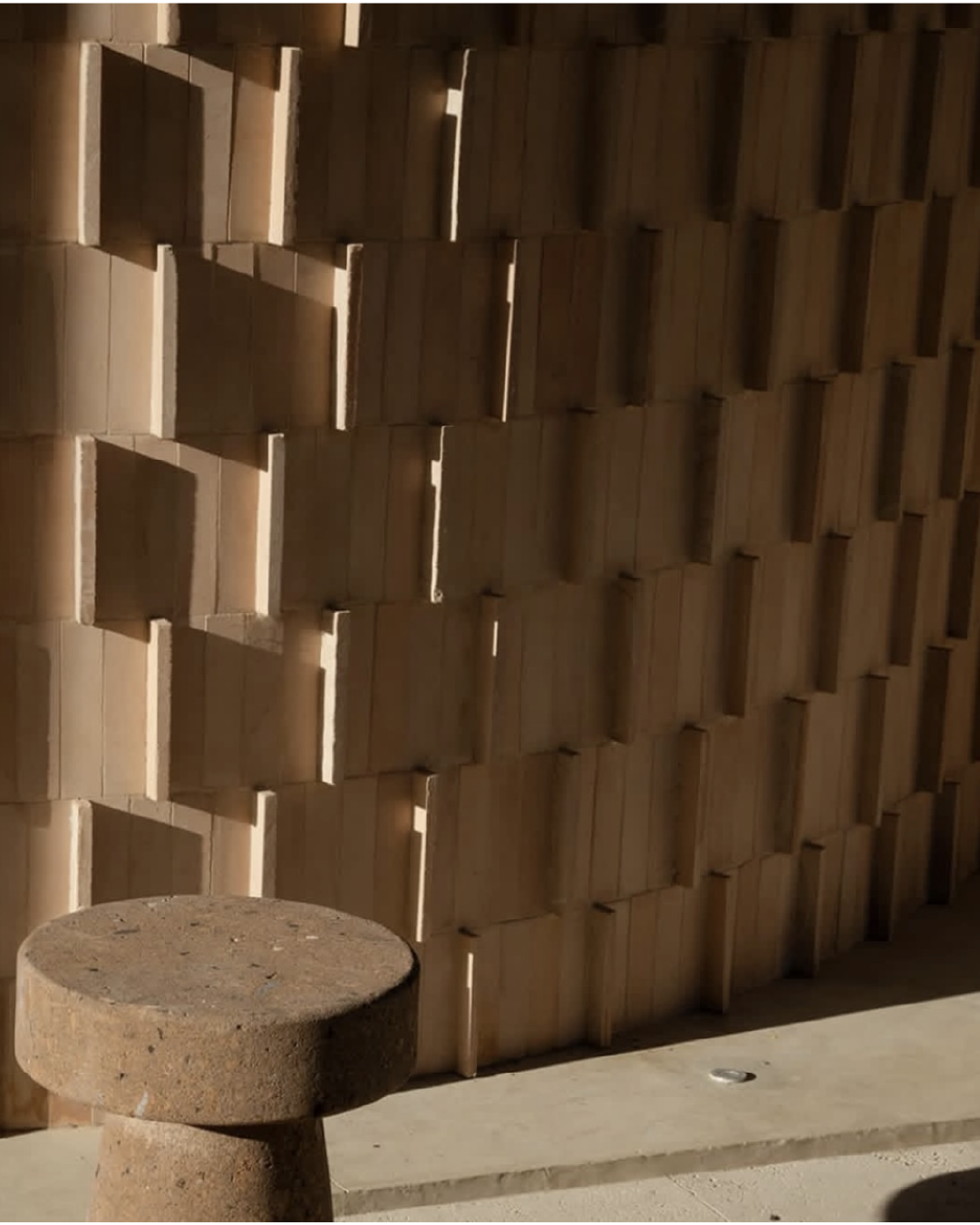
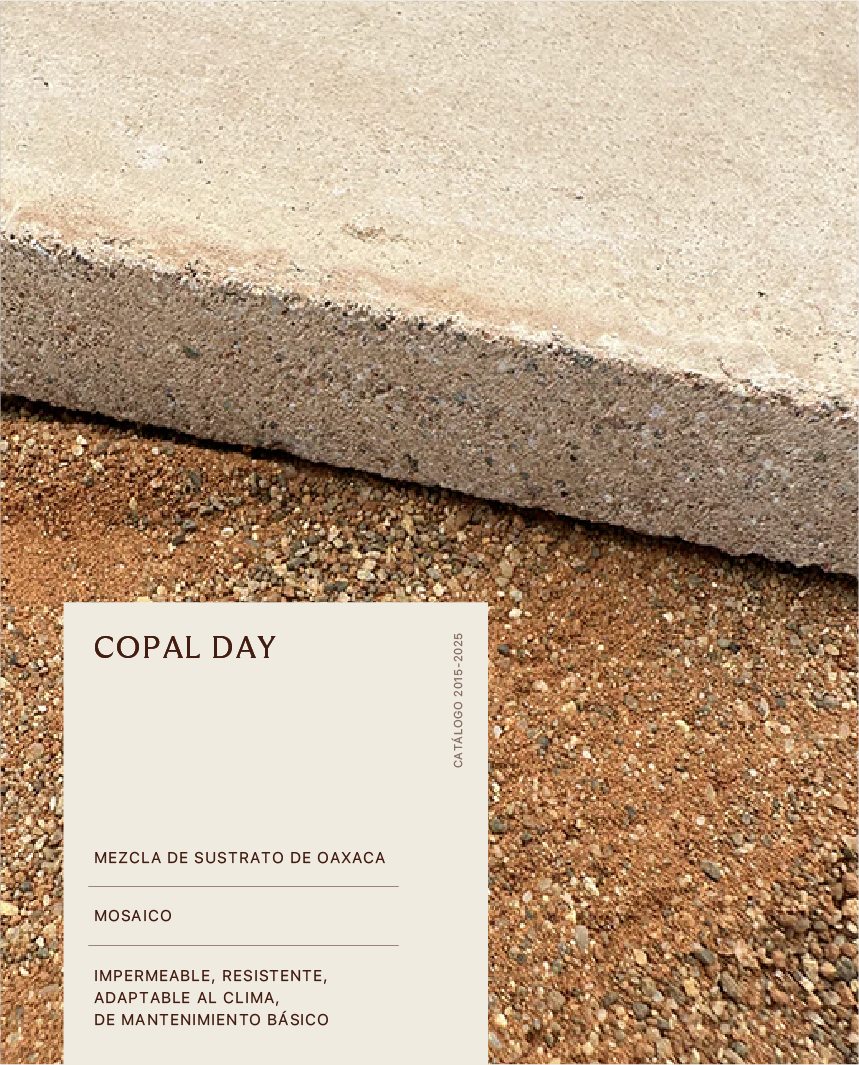
What began as a practice centered on mosaic production had matured into a material authority; expanding into compacted earth systems, consultancy, interdisciplinary collaboration…
The challenge was to refine and reposition.
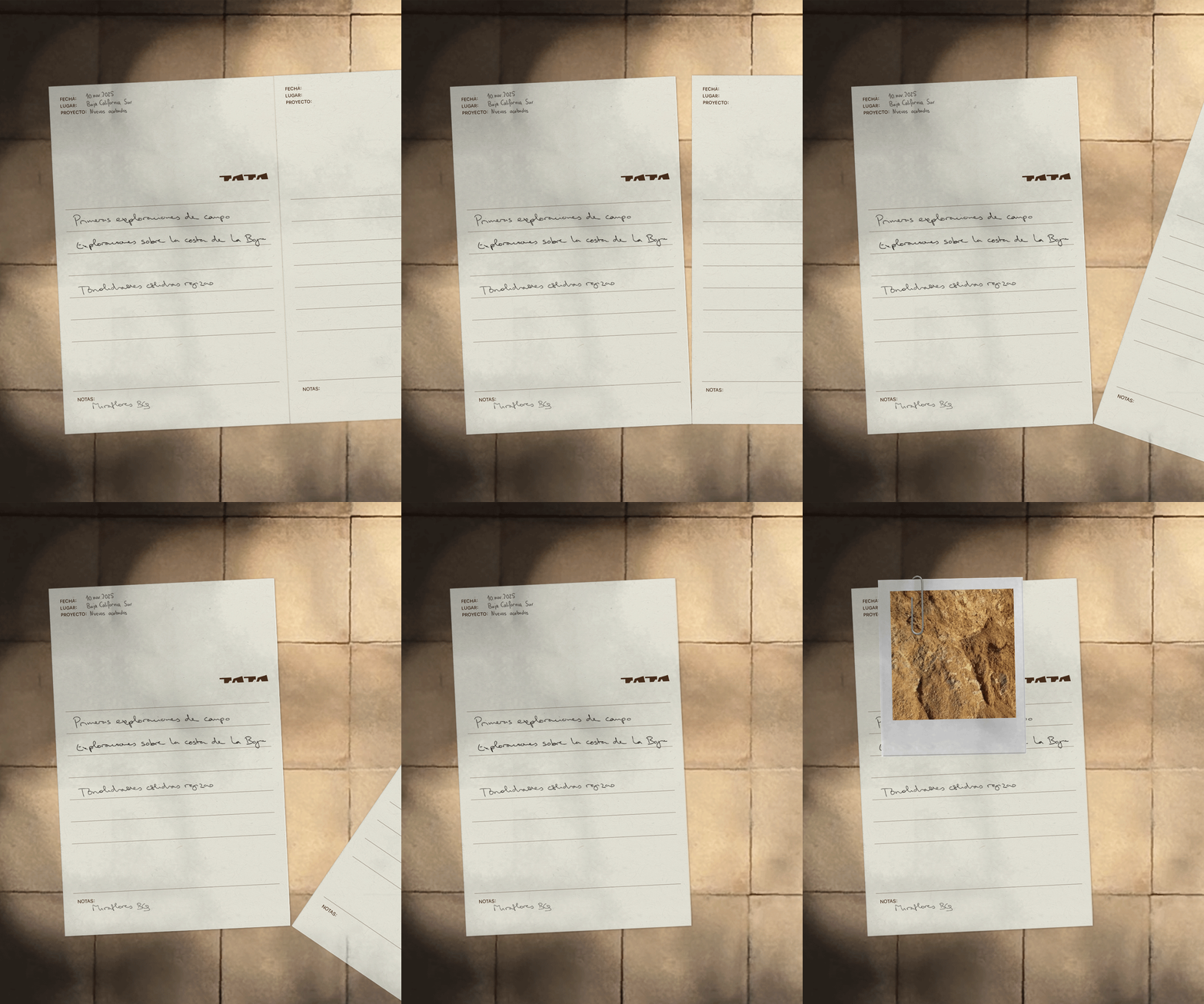
To reflect TATA’s investigational character, I created a modular system composed of distinct yet interconnected needs and formats.
The system nods to scientific clarity while remaining materially flexible (adaptable to letter and half-letter formats, able to exist as a simple bond print or as an embossed postcard without losing coherence).
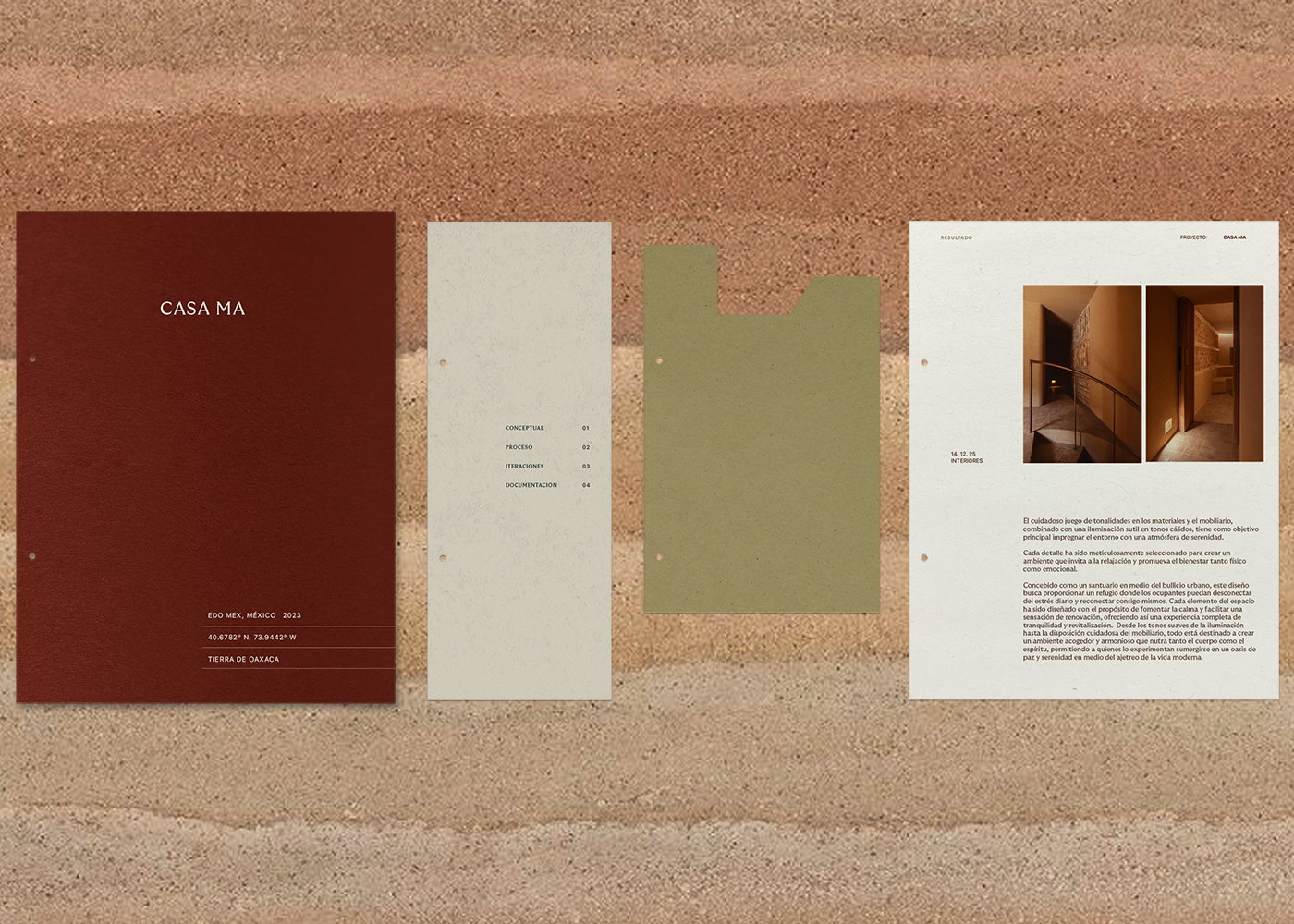
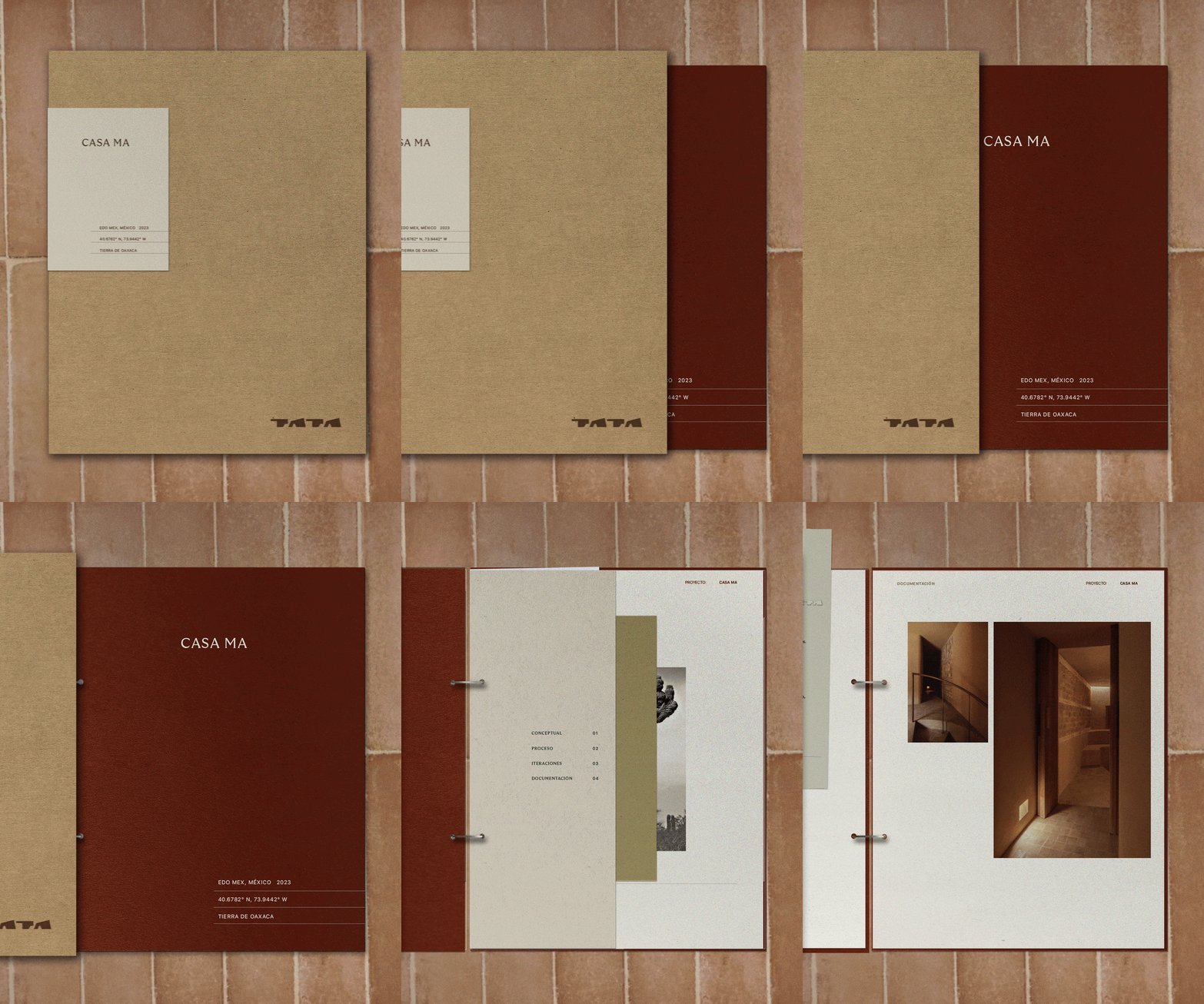
Each built work is documented through an editorial framework titled Project Archive. These archives combine conceptual foundations, material research, process documentation, final photography (positioning Tata as a research-driven studio).
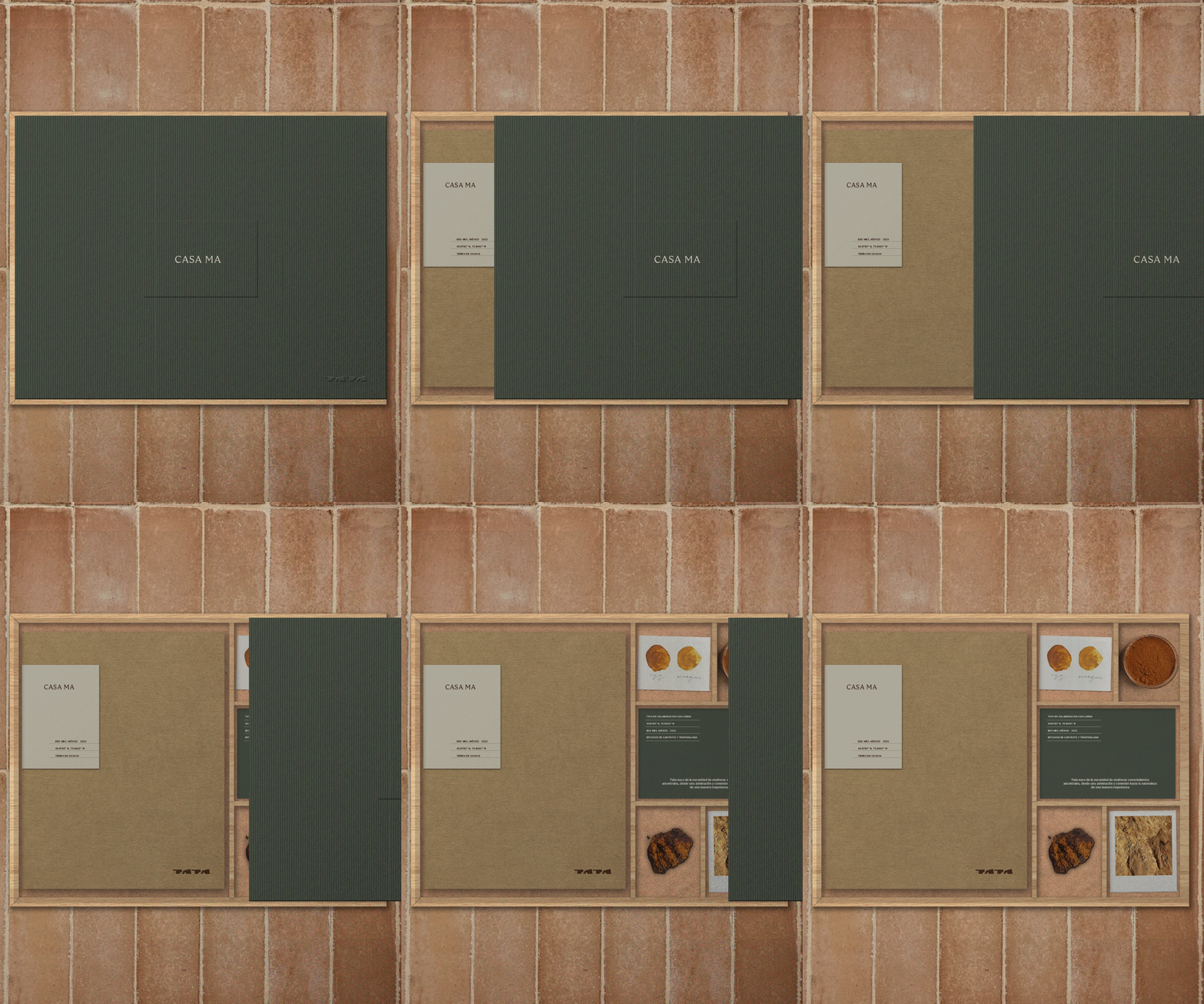
Every archive is then preserved inside a custom-designed box containing the printed book and elements gathered from the site: soil, stone, polaroids, fragments.
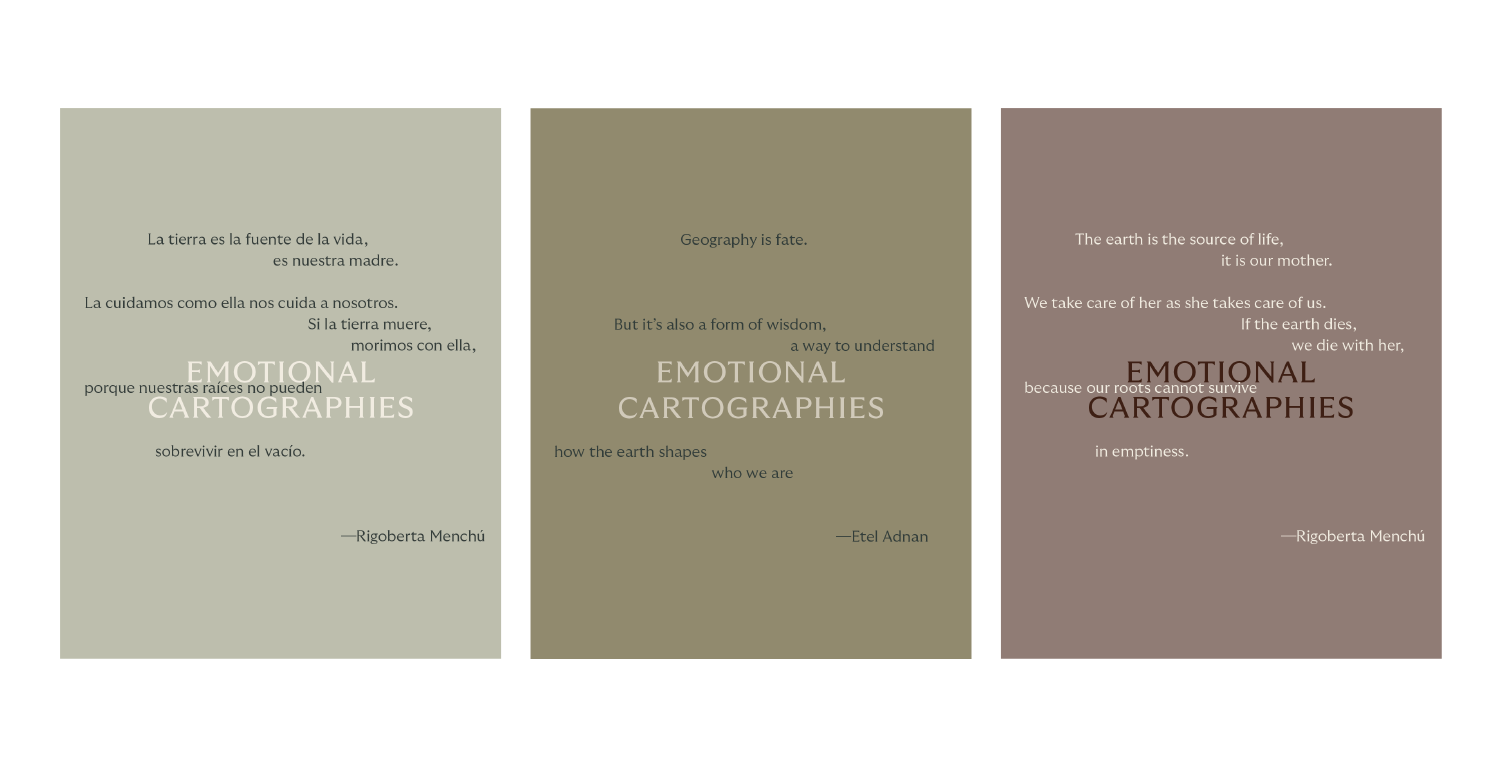
Digitally, I structured the verbal architecture and communication logic for Instagram and public-facing platforms: defining section naming, tone, and narrative.
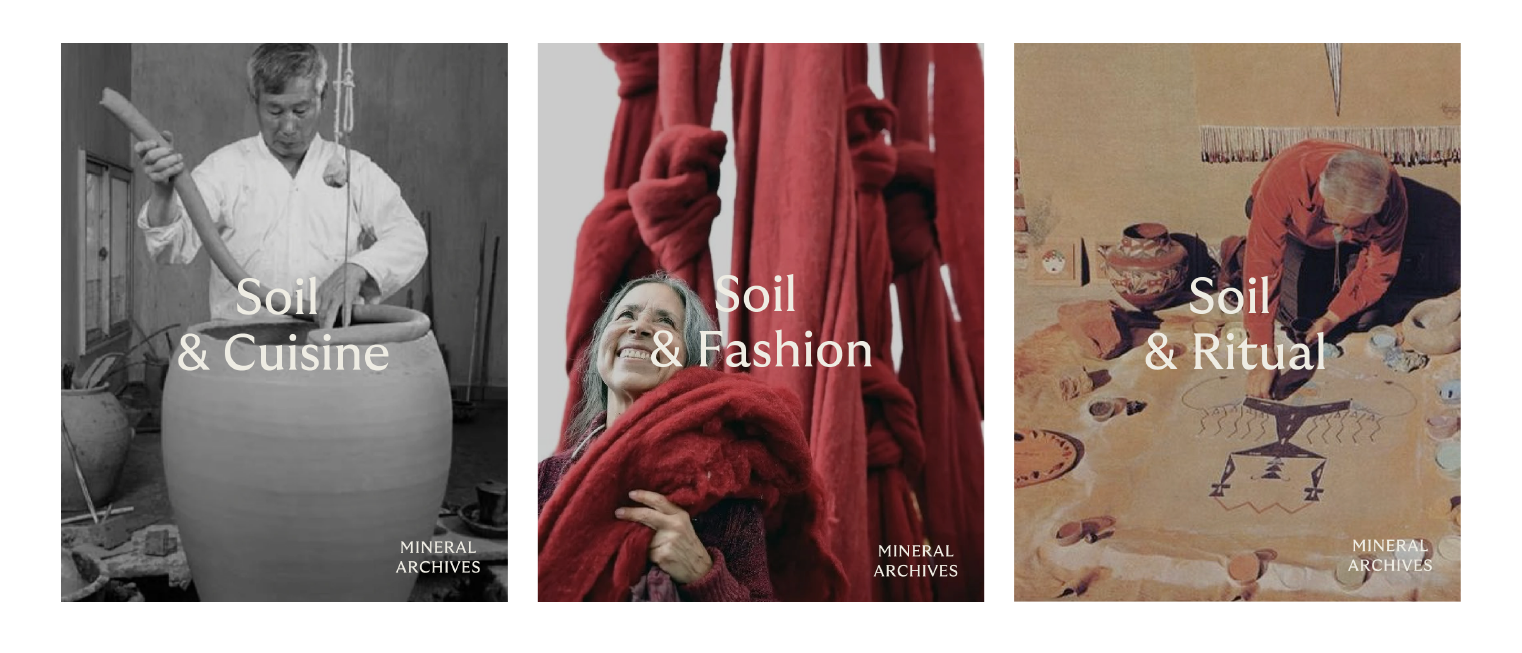
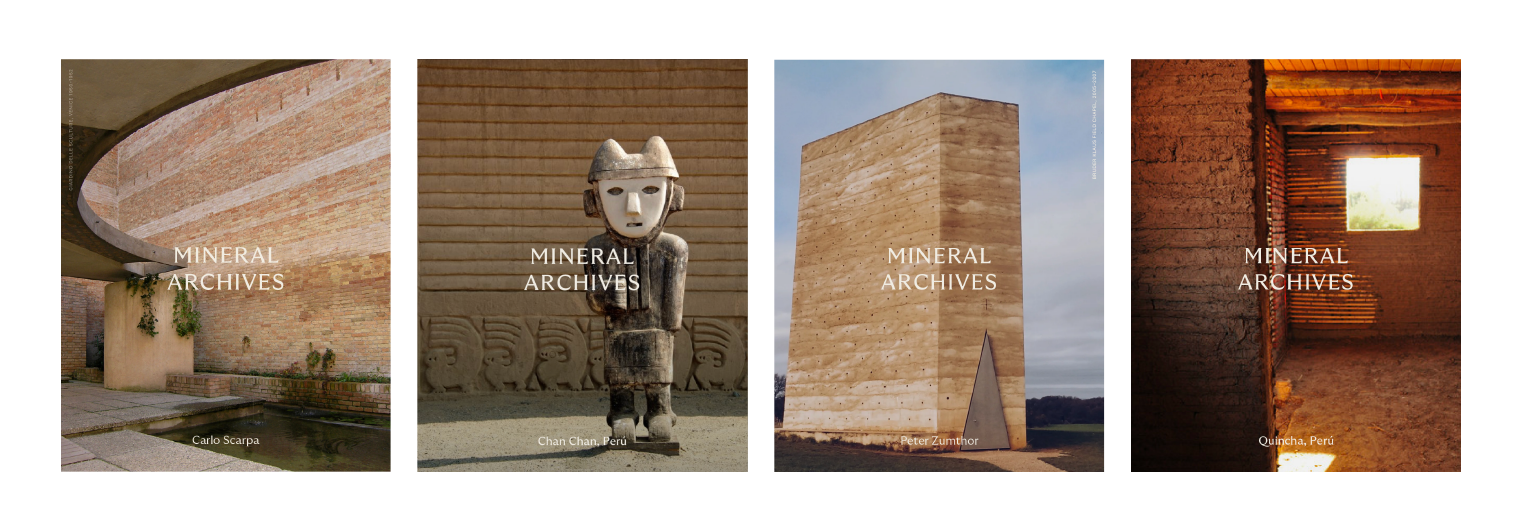
Parallel to this, I initiated Mineral Archives, an ongoing article series exploring relationships between earth and culture across geographies and history. Each chapter informs and subtly directs TATA’s future investigations, positioning research as strategic infrastructure rather than content.
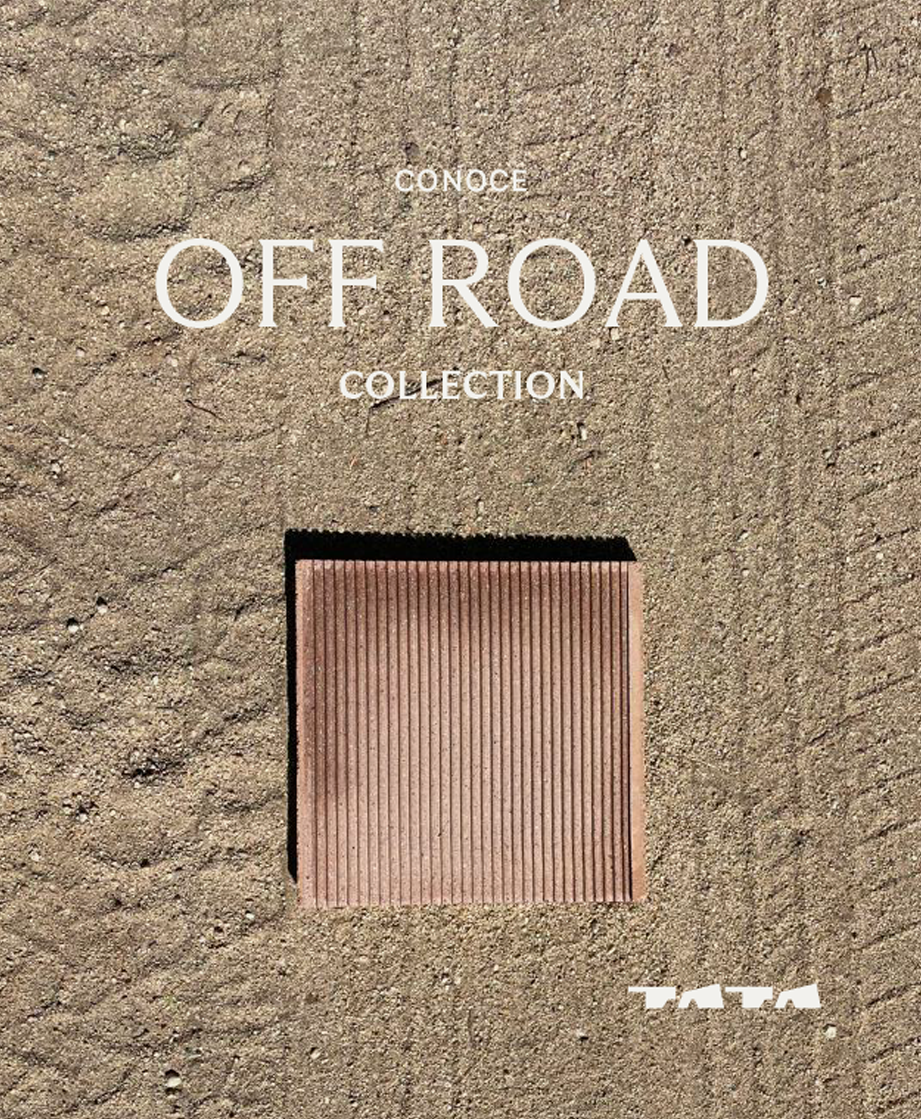
TATA’s latest chapter in Baja California Sur marks the launch of Off Road, a new collection developed from local inspiration, alongside the opening of its showroom in San José.
Currently curating Instagram’s monthly content and planning.
While managing the creative direction onto the brand’s next chapter.